


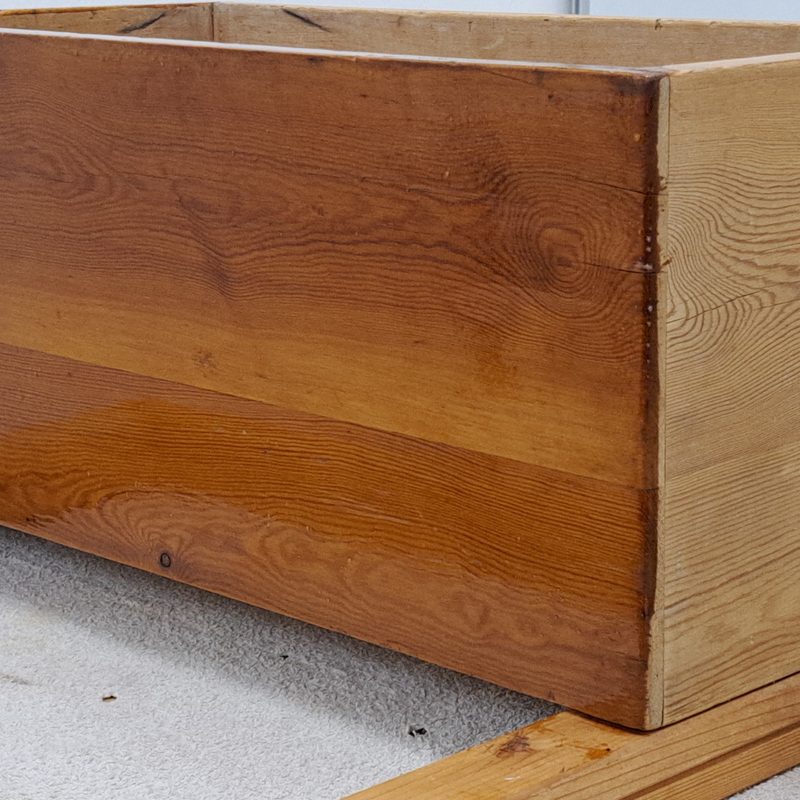
A handcrafted wooden keepsake—whether a finely toothed sandalwood comb, a carved desk piece, or a nail-free tea box—carries a quiet warmth that mass-produced objects never replicate. Because solid wood is an organic material, it continues to respond subtly to the air around it long after leaving the workshop.
When indoor heaters kick on in winter or air conditioning dries out a room in summer, sudden drops in humidity can draw moisture out of wood fibers too quickly. Left unchecked, that stress can dull the surface or cause fine hairline splits.
The good news is that caring for handmade wooden crafts takes only a few gentle habits. With minimal seasonal attention, solid wood stays supple, smooth, and deeply lustrous for decades.
Why Dry Weather Causes Solid Wood to Crack
Wood naturally absorbs and releases moisture to stay in balance with its surroundings:
- In humid weather, wood fibers absorb moisture and expand slightly.
- In dry weather, low indoor humidity pulls moisture out, causing the timber to contract.
When the outer surface dries faster than the inner core—or when a piece sits next to a radiator, heating vent, or sunny windowsill—uneven tension builds along the grain, leading to tiny checks or cracks. Pieces crafted with traditional mortise and tenon joinery handle seasonal movement far better than glued or nailed boards, yet even the finest timber appreciates stable surroundings. The same idea applies to larger household pieces; for furniture-specific advice, see our guide on 5 Tips for Solid Wood Furniture Maintenance.
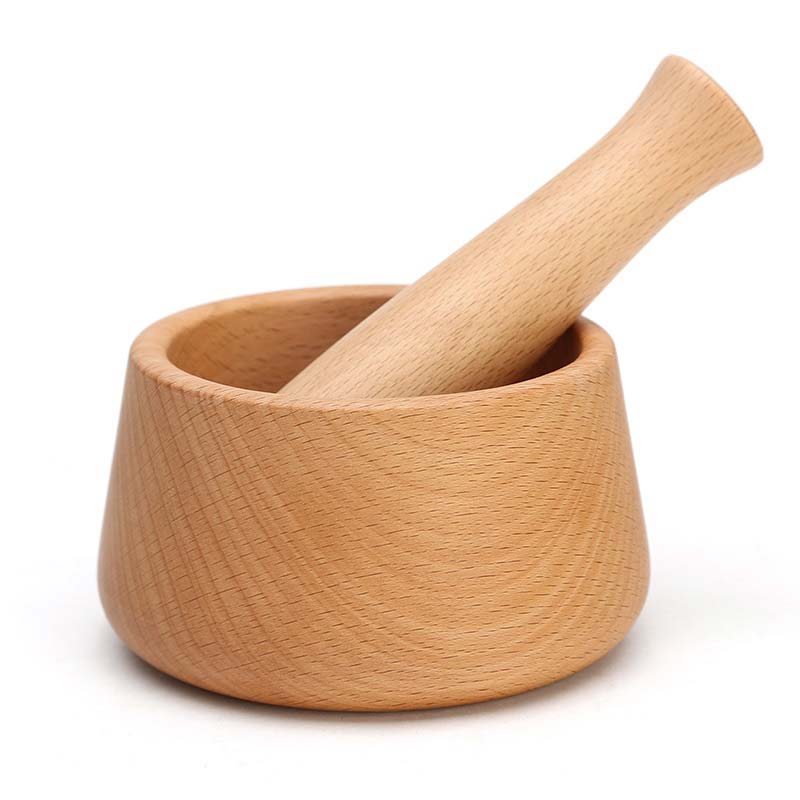
5 Simple Habits to Protect Your Wooden Crafts Year-Round
1. Keep Wood Away From Direct Heat and Harsh Sunlight
Avoid placing wooden boxes, carvings, or combs directly on radiators, near baseboard heaters, or on windowsills exposed to strong afternoon sun. Direct heat accelerates moisture loss and can fade rich natural pigments.
2. Never Soak or Put Handmade Wood in the Dishwasher
Water is solid wood’s biggest enemy when prolonged. If a wooden tea accessory or comb needs cleaning, wipe it briskly with a barely damp soft cloth and dry it immediately with a clean towel. Never submerge solid wood in water.

3. Condition Lightly When the Air Turns Dry
Every few months—especially at the start of autumn or winter—nourish unlacquered or lightly waxed wood with a tiny amount of natural beeswax, carnauba wax, or food-grade mineral oil:
- Apply a pea-sized drop onto a soft, lint-free cotton cloth.
- Rub gently in the direction of the wood grain.
- Let it rest for 15–20 minutes, then buff off any excess with a clean dry cloth until the surface feels silky, never greasy.
A few handcrafted wooden pieces from our shop that benefit from the same gentle care:
-


-

 $59.00
-

 $38.00
4. Store Seasonal Pieces With Care
If you rotate desk decor or seasonal keepsakes, store unused items inside a breathable fabric pouch or wooden box away from damp basements or hot attics. A small, breathable pouch shields the wood from rapid humidity swings while allowing it to breathe.
5. Embrace Natural Aging Through Regular Touch
Clean hands carry trace natural oils that gently condition wood every time you hold it. Over months of daily use, your piece will naturally develop a warm, translucent glow—known in traditional Chinese craft culture as Baojiang (patina)—which actually helps seal and protect the surface fibers.
Quick Troubleshooting: What If a Small Split Appears?
| What You Notice | Likely Cause | Simple Fix |
|---|---|---|
| Dull, chalky, or rough surface | Low indoor humidity or lack of surface wax | Buff gently with a soft cloth and a thin coat of natural beeswax |
| Tiny hairline check in winter | Rapid moisture loss from indoor heating | Move away from heat vents, place in a room with balanced humidity (40–55%), and condition lightly |
| Sticky or tacky residue | Too much oil applied—or use of cooking oils | Wipe clean with a dry cloth; switch to pure beeswax or mineral oil |
Frequently Asked Questions
Can I use olive oil or vegetable oil to condition wooden crafts?
No. Cooking oils like olive, vegetable, or walnut oil can turn sticky over time and eventually go rancid inside the wood grain. Stick to pure beeswax, specialized wood conditioner, or food-grade mineral oil.
How often should I wax or oil my handmade wooden items?
For most indoor environments, conditioning once every 3 to 6 months is plenty—or whenever the wood looks pale and feels dry to the touch. Dense woods such as sandalwood and rosewood hold their natural oils well and need minimal upkeep.
What is the ideal indoor humidity for wooden keepsakes?
Keeping indoor relative humidity between 40% and 55%—comfortable for both people and solid wood—prevents excessive shrinking or swelling throughout the year.
Image credit: “Application of linseed oil” by Ylænelle, via Wikimedia Commons, licensed under CC BY-SA 4.0 (https://creativecommons.org/licenses/by-sa/4.0/). Source: https://commons.wikimedia.org/wiki/File:Application_of_linseed_oil.jpg. Cropped and resized.


