


If you have ever owned a handcrafted wooden comb, a solid wood desk accessory, or a carved keepsake, you may have noticed something surprising after a few months: the color isn’t quite the same as the day you unboxed it. Perhaps a warm golden tone has deepened into a rich amber, or a freshly sanded surface has taken on a soft, glass-like sheen.
For first-time buyers of natural wood crafts, this shift can feel alarming—almost like the wood is staining or fading. In reality, the exact opposite is happening. Your piece is maturing, reacting to its environment, and developing what artisans call patina—or in traditional Chinese craft culture, Baojiang (包浆).
Rather than a flaw, this quiet transformation is proof that you are holding genuine, living timber rather than plastic or heavily sealed synthetic board.
The Science Behind Why Natural Wood Darkens or Shifts
Unlike metal or ceramic, solid wood retains its cellular structure long after it has been harvested and shaped. Even without synthetic dyes, three natural forces continuously interact with the surface of raw or lightly waxed wood:
- Oxidation and Light Exposure: When fresh wood grain is exposed to oxygen and ambient UV light, natural compounds inside the timber—such as tannins and resins—slowly oxidize. Depending on the species, pale woods often warm into honey tones, while dense hardwoods deepen into rich reds, browns, or near-black hues.
- Natural Oils From Your Hands: Every time you hold a wooden hair comb, tea scoop, or pocket charm, trace amounts of natural skin oils transfer into the microscopic pores of the wood. Over weeks and months, these oils nourish the fibers from within.
- Humidity and Air Circulation: Wood breathes. Subtle shifts in indoor humidity cause the timber to expand and contract microscopically, gradually settling its surface texture.
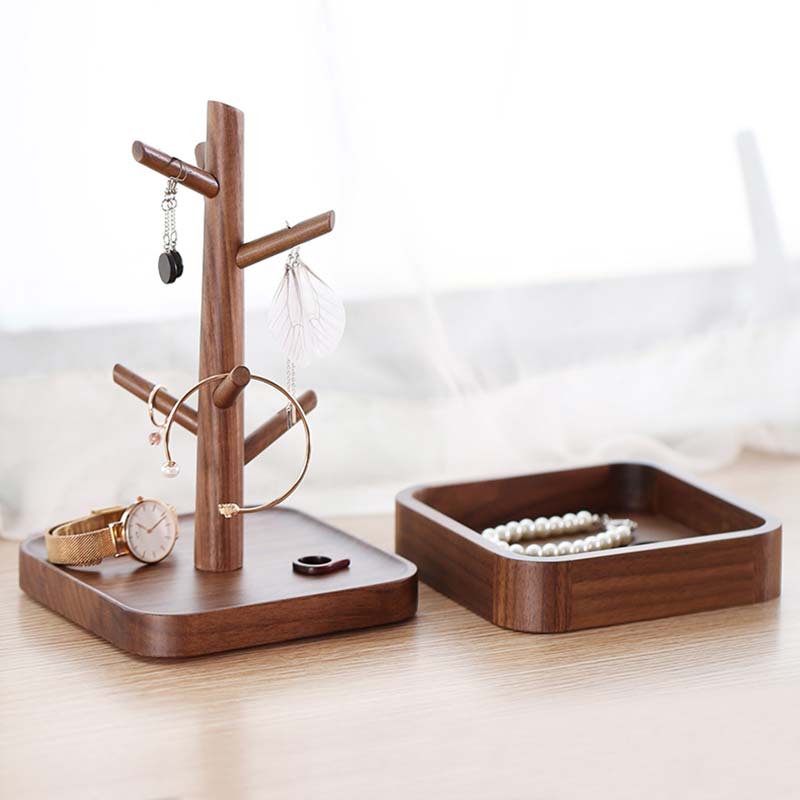
Handcrafted wooden keepsake and desk pieces from our shop develop this kind of character with regular, gentle use:
-


-
Price range: $32.00 through $38.00
-


What Is Baojiang (包浆) in Traditional Chinese Woodcraft?
In Western antiques, “patina” usually refers to the aged surface of bronze, leather, or furniture. In Chinese woodcraft and collector culture, the concept goes even deeper.
Baojiang literally translates to “wrapped in luster.” Historically, scholars, tea masters, and collectors treasured wooden desk objects—such as brush pots, wrist rests, and carved pendants—not for how shiny they looked on day one, but for how they evolved over years of quiet daily companionship.
When a piece is handled regularly with clean hands, friction gently polishes the microscopic wood fibers flat while natural oils fill the grain. Over time, the surface develops a warm, translucent glow that no factory lacquer can imitate. It looks as though the shine is coming from inside the wood rather than sitting on top of it.
How Different Woods Age Over Time
Not all timber transforms at the same pace. If you are building a collection of handcrafted wooden gifts and everyday pieces, knowing what to expect from different woods helps you appreciate each stage:
| Wood Type | Freshly Crafted Look | How It Ages Over Time |
|---|---|---|
| Sandalwood (Green / Black / Red) | Ranges from olive-tan to warm reddish-brown with a noticeable natural aroma | Darkens steadily into deep espresso, burgundy, or rich emerald-brown; surface becomes silky smooth |
| Rosewood / Padauk | Vibrant orange-red or warm crimson with bold, contrasting grain lines | Matures into a deeper, more unified mahogany or wine-red tone with higher luster |
| Boxwood / Lighter Hardwoods | Pale cream or soft golden yellow with fine, delicate grain | Gradually warms into an antique amber or honey hue, highlighting carved details |
If you would like a closer look at how sandalwood and rosewood differ in scent, grain, and feel, see our guide on sandalwood vs. rosewood.
Normal Patina vs. Damage: How to Tell the Difference
Because natural wood evolves, it helps to distinguish healthy aging from environmental stress:
- Gradual, even deepening of color across areas you touch or expose to light is completely normal patina.
- A soft, satin-like glow replacing a matte freshly-sanded finish is a sign of healthy oil absorption.
- Sudden chalky white patches, rough raised grain, or hairline splits, however, usually mean the wood was soaked in water or left near a heater or harsh direct sunlight.
If your piece ever feels overly dry in winter, wiping it gently with a soft cotton cloth and a tiny drop of natural beeswax or wood conditioning oil will restore its suppleness. For step-by-step seasonal tips, explore our full guide on how to care for handmade wooden crafts.
Frequently Asked Questions
Does natural sandalwood always change color?
Yes. Genuine, unlacquered sandalwood reacts to air, light, and skin oils. Green sandalwood, for example, often shifts from yellowish-brown to a deep olive green after exposure to sunlight and air—a hallmark of authentic timber.
How can I speed up a healthy patina without damaging the wood?
Patience works best. Simply use your item daily with clean, dry hands and occasionally buff it gently with a soft lint-free cloth. Avoid applying heavy cooking oils (like olive oil), which can turn sticky or rancid inside the wood grain.
Will a thick clear coat prevent wood from developing patina?
Yes. Heavy polyurethane or plastic-like lacquers seal the wood off from air and touch. While they keep the initial color static, they also prevent the wood from breathing, releasing its natural scent, or developing an authentic Baojiang luster.
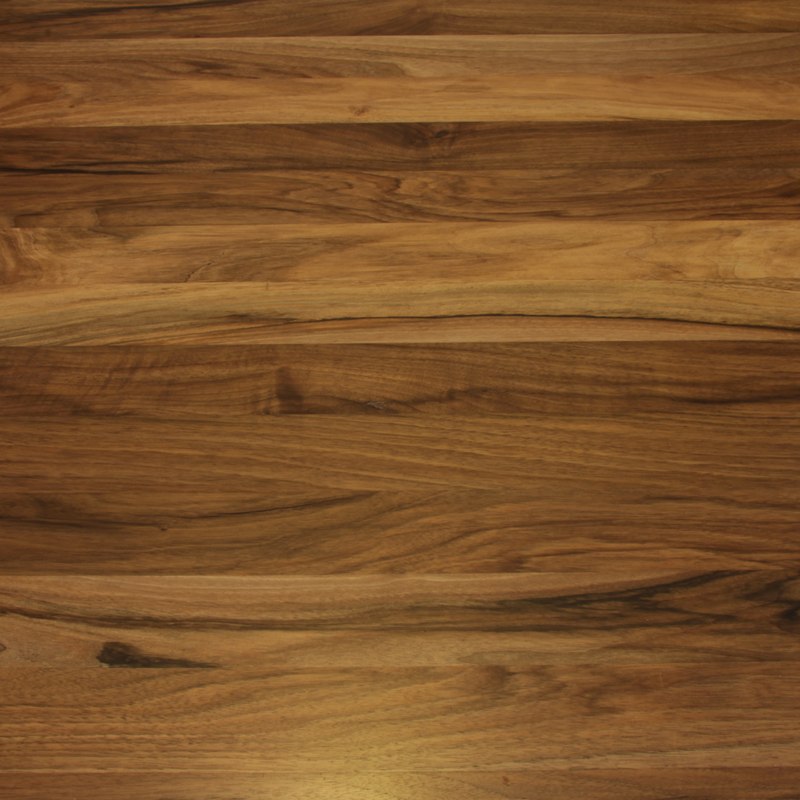
Image credit: “Oberfläche Wohnzimmertisch” (surface of a living-room table made of solid European walnut) by Martin Lorenz, via Wikimedia Commons, licensed under CC BY-SA 3.0 (https://creativecommons.org/licenses/by-sa/3.0/). Source: https://commons.wikimedia.org/wiki/File:Oberfl%C3%A4che_Wohnzimmertisch.JPG. Cropped and resized.


