


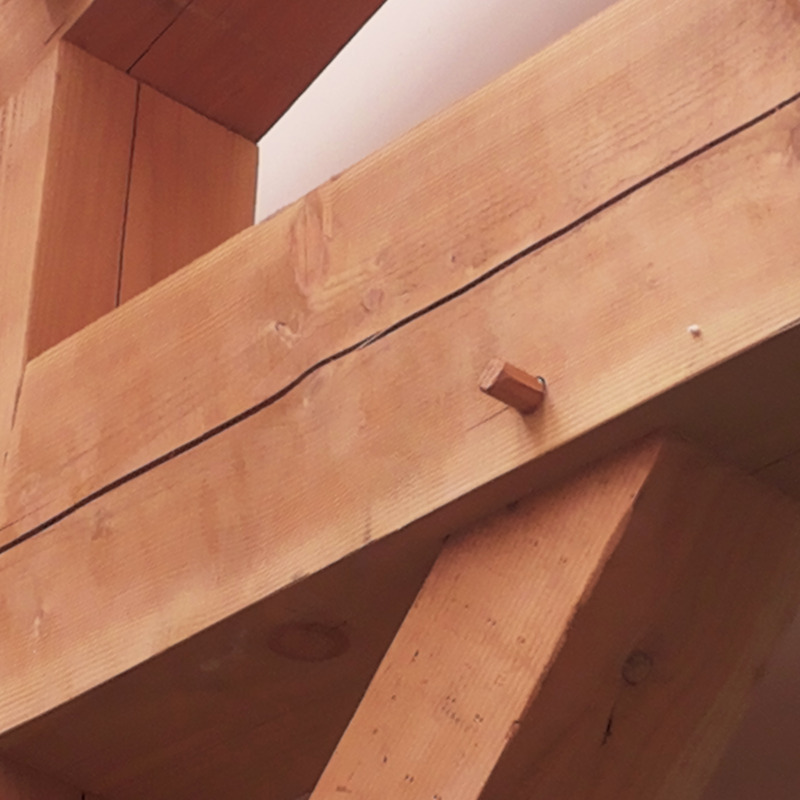
Turn over a mass-produced wooden box or chair today, and you will usually find metal screws, staples, or hidden brackets holding the corners together. Yet long before industrial hardware existed, master woodworkers across China built towering timber temples, Ming-era furniture, and intricate keepsake boxes without using a single nail.
Their secret is mortise and tenon joinery—known in Chinese craft tradition as Sunmao (榫卯).
More than a nostalgic technique, a mortise and tenon joint is an engineering philosophy built on partnership rather than force. By shaping two pieces of solid wood so they interlock seamlessly, artisans create structures that absorb stress, breathe with seasonal humidity, and endure for generations.
Breaking Down the Joint: How Mortise and Tenon Work Together
At its core, a mortise and tenon joint consists of two complementary elements carved directly into the timber:
- The Mortise (Mao / 卯): A precisely cut recess, pocket, or slot carved into one piece of wood.
- The Tenon (Sun / 榫): A shaped projection or tongue cut on the end of the mating piece, sized to fit snugly inside the mortise.
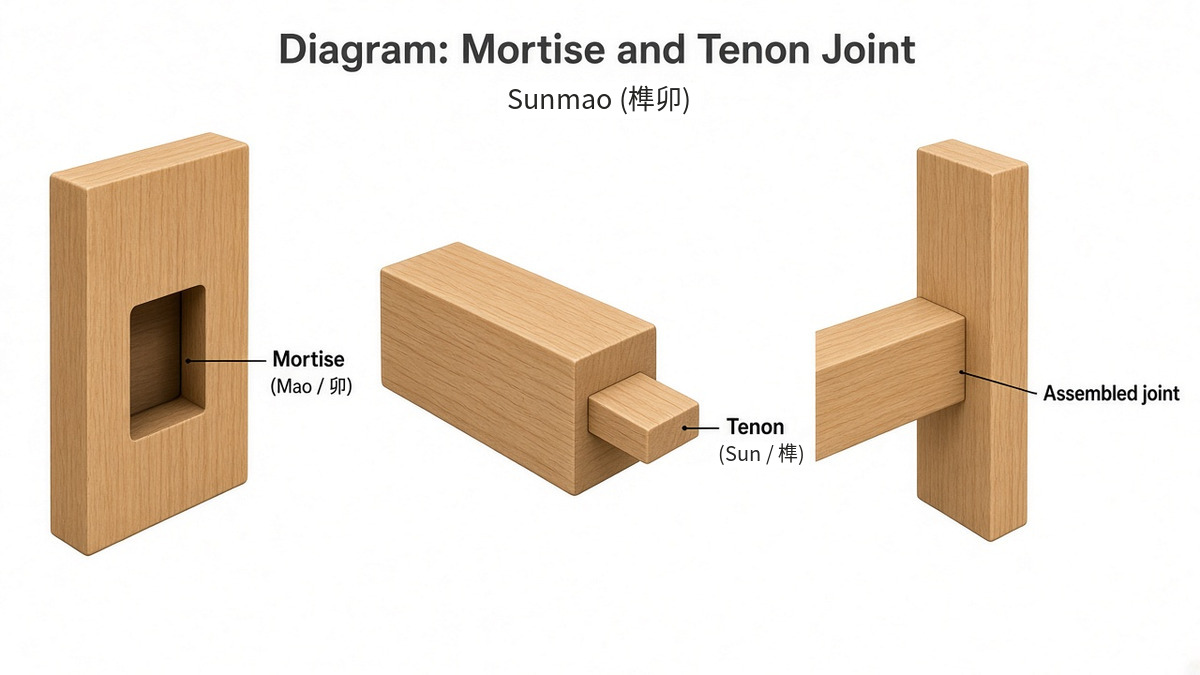
When fitted together, the structural shoulder of the tenon rests flush against the face of the mortise piece, distributing weight evenly across a broad wood-to-wood surface rather than concentrating pressure on a tiny metal pin.
In traditional Chinese woodworking, artisans expanded this foundational principle into dozens of variations—from simple through-tenons and dovetail keys to concealed locking joints that require assembly in an exact sequence.
Why Nail-Free Woodcraft Outlasts Metal Hardware
Metal nails and screws seem strong on day one, yet they are often the first point of failure in wooden objects. Here is why traditional mortise and tenon construction holds up over decades:
| Structural Factor | Mortise and Tenon Joinery | Nails, Screws, and Staples |
|---|---|---|
| Seasonal Wood Movement | Allows subtle expansion and contraction as wood breathes with humidity | Rigid metal fights natural movement, leading to widened holes or split grain |
| Surface Contact & Strength | Broad interlocking cheeks and shoulders share load across fibers | Stress concentrates around narrow metal shafts |
| Corrosion & Staining | 100% timber—no rust, oxidation, or dark metal staining over time | Moisture can trigger rust that weakens joints and discolors surrounding wood |
| Repairability | Can often be carefully disassembled, re-fitted, and restored | Stripped screw holes and bent nails often damage surrounding wood fibers |
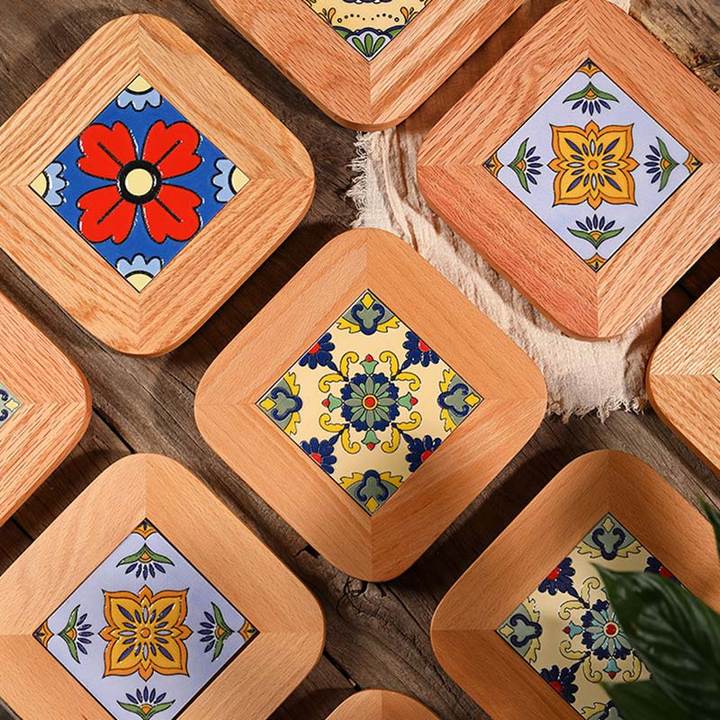
The Tile-Inlaid Wooden Trivets for Hot Dishes below use a traditional mortise and tenon structure, and are shown with other handcrafted wooden keepsake and desk pieces.
-


-
Original price was: $59.00.$39.00Current price is: $39.00.
-


How Mortise and Tenon Shapes Everyday Keepsakes and Decor
While historic architecture showcased Sunmao on a monumental scale, the same precision brings quiet satisfaction to smaller objects you live with every day:
- Keepsake and Jewelry Boxes: Corner joints stay crisp and square without exposed hardware interrupting the natural flow of the wood grain.
- Tea Trays and Desk Organizers: Interlocking frames handle daily handling and subtle shifts in room moisture without loosening over time.
- Wooden Puzzles and Architectural Models: Exposed joinery turns structure itself into ornament, inviting you to feel how each piece locks into place.
Because dense hardwoods like sandalwood and rosewood hold razor-sharp edges when carved, they have long been favored for precision joinery—and over years of touch, their joints even develop a warm, seamless natural patina (Baojiang). To keep those joints stable through dry seasons, see our guide on how to care for handmade wooden crafts.
Frequently Asked Questions
Is a mortise and tenon joint stronger than screws?
Yes, especially over the long term. Because a mortise and tenon provides large wood-to-wood contact surfaces and moves naturally with changes in temperature and humidity, it resists racking, twisting, and loosening far better than metal screws driven into wood fibers.
Do mortise and tenon joints still use glue?
In traditional Chinese architecture and certain puzzle-like structures, joints rely purely on friction, wedges, and locking geometry without glue. In smaller everyday items like boxes or furniture, artisans may use minimal wood glue alongside tight joinery—never relying on glue alone to compensate for a loose fit.
How can I tell if a wooden box or piece uses real joinery?
Look closely at the corners and edges. Genuine joinery often reveals clean end-grain patterns, subtle interlocking lines, or matching wooden pins where two boards meet—with no nail heads, screw plugs, or metal brackets interrupting the timber.
Image credit: “Ronde pen en gat verbinding” by Agaath, via Wikimedia Commons, licensed under CC BY-SA 4.0 (https://creativecommons.org/licenses/by-sa/4.0/). Source: https://commons.wikimedia.org/wiki/File:Ronde_pen_en_gatverbinding.jpg. Cropped and resized.


